
Natrual Gardening
Comfrey is also known to improve soil structure and fertility, helping to increase the water-holding capacity of the soil and improve the soil's ability to retain nutrients.

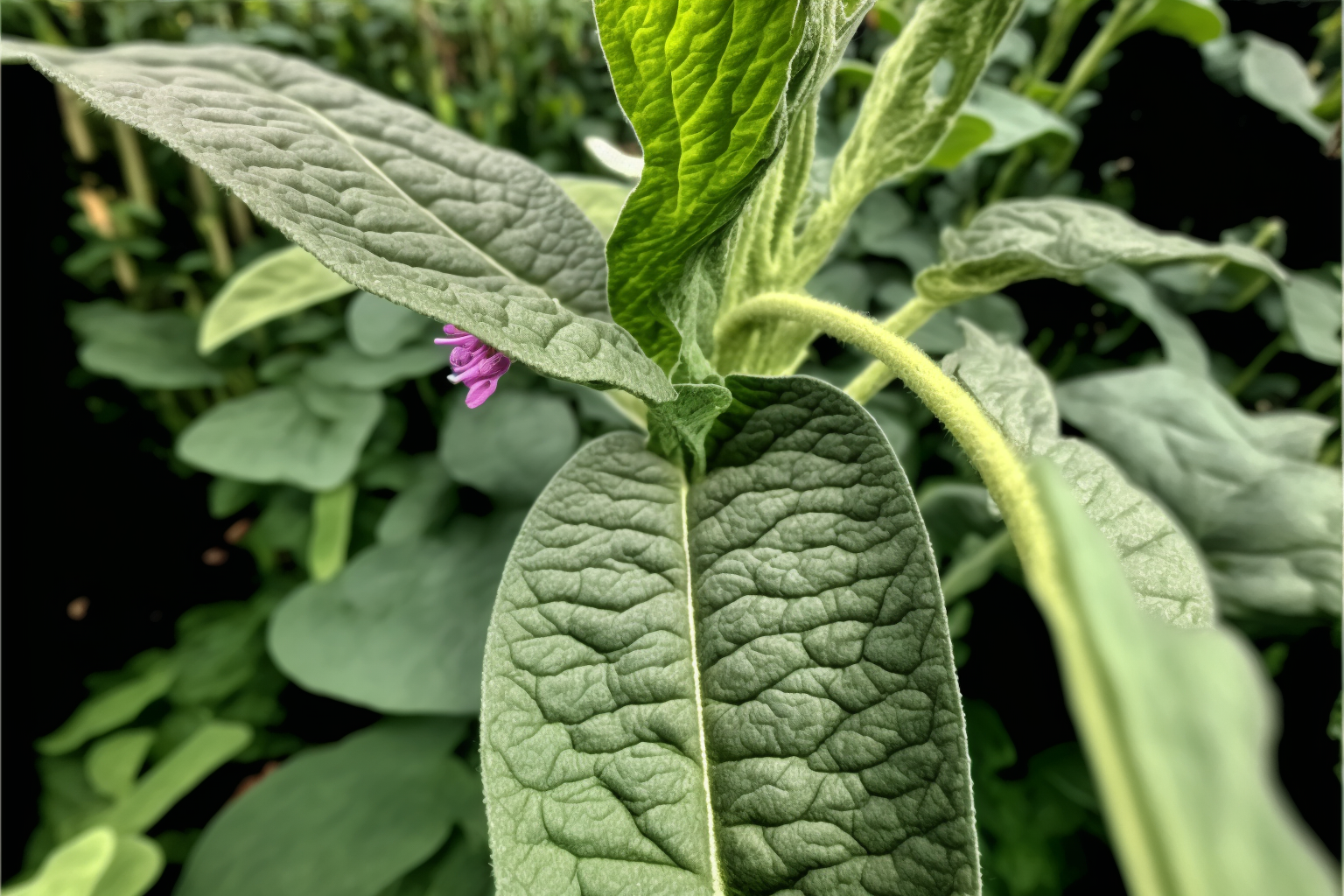
Comfrey (Symphytum officinale) is a magical and multifaceted perennial herb that has been used for centuries in traditional medicine and as a natural fertilizer. Native to Europe and Asia, and naturalized in North America, comfrey is known for its deep roots that can reach up to 6 feet deep in the soil, making it a cleaver source of minerals and nutrients for other plants in your garden.
The plant is able to absorb a wide range of minerals, including potassium, phosphorus, and nitrogen, from deep in the soil and make them available to other plants. This makes comfrey an excellent natural fertilizer for other plants in your garden. Comfrey can be used as a fertilizer in a few ways: as a liquid fertilizer, by making a comfrey tea by steeping the leaves in water for several weeks, as a mulch, by chopping up the leaves and using them as a mulch around your plants, or as a compost activator, by adding comfrey leaves to your compost pile, it can help to break down other materials and add valuable nutrients to your compost.
Comfrey is also known to improve soil structure and fertility, helping to increase the water-holding capacity of the soil and improve the soil's ability to retain nutrients.
Comfrey has a long history of traditional use in medicine for a wide range of ailments. The plant's medicinal properties have been attributed to the presence of a variety of compounds, including allantoin and rosmarinic acid. Allantoin is believed to promote wound healing by increasing cell proliferation and differentiation, while rosmarinic acid is believed to inhibit the production of inflammatory mediators and scavenge free radicals. Other compounds found in comfrey include flavonoids, tannins, mucilage, and inulin. Additionally, comfrey also contains small amounts of vitamins and minerals, such as Vitamin A, Vitamin C, Vitamin K, Calcium, Phosphorus, Potassium, Iron, Zinc, Copper, and Manganese.
More Infomation you might like...




.jpg)