
Plant Overview
Despite the restrictions and concerns about its safety, comfrey remains a popular herb among gardeners, herbalists, and natural health enthusiasts.

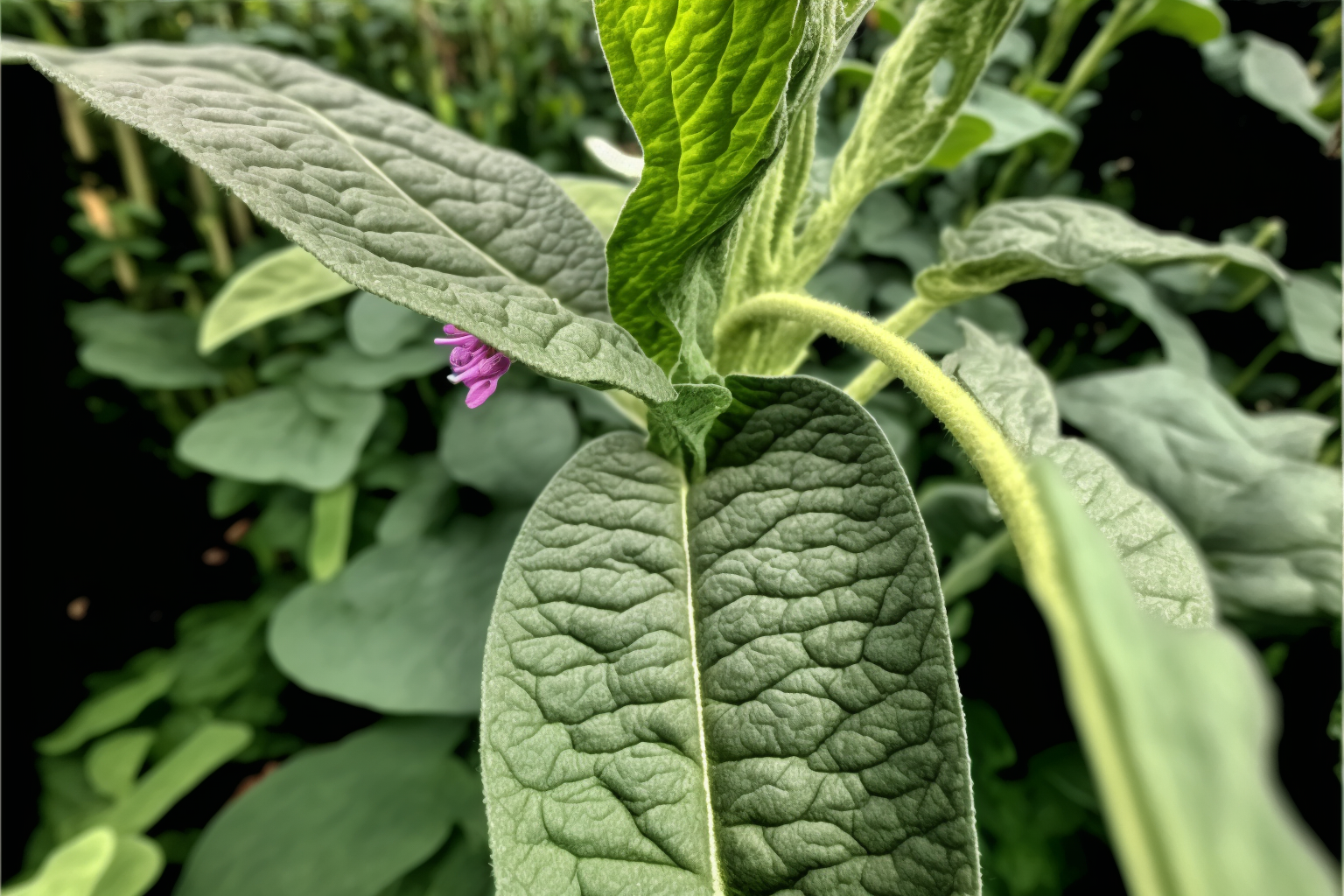
Comfrey, also known as Symphytum officinale, is a perennial herb that has been used for centuries for its medicinal and horticultural properties. The plant is native to Europe, Asia, and North Africa, and it has been utilized in traditional medicine, horticulture, and agriculture for centuries.
The history of comfrey as a medicinal plant can be traced back to ancient times, where it was used by the Greeks and Romans to heal broken bones, cuts and other wounds. In the Middle Ages, comfrey was a popular herb in Europe, used to treat a wide range of ailments such as respiratory conditions, digestive issues, and skin conditions.
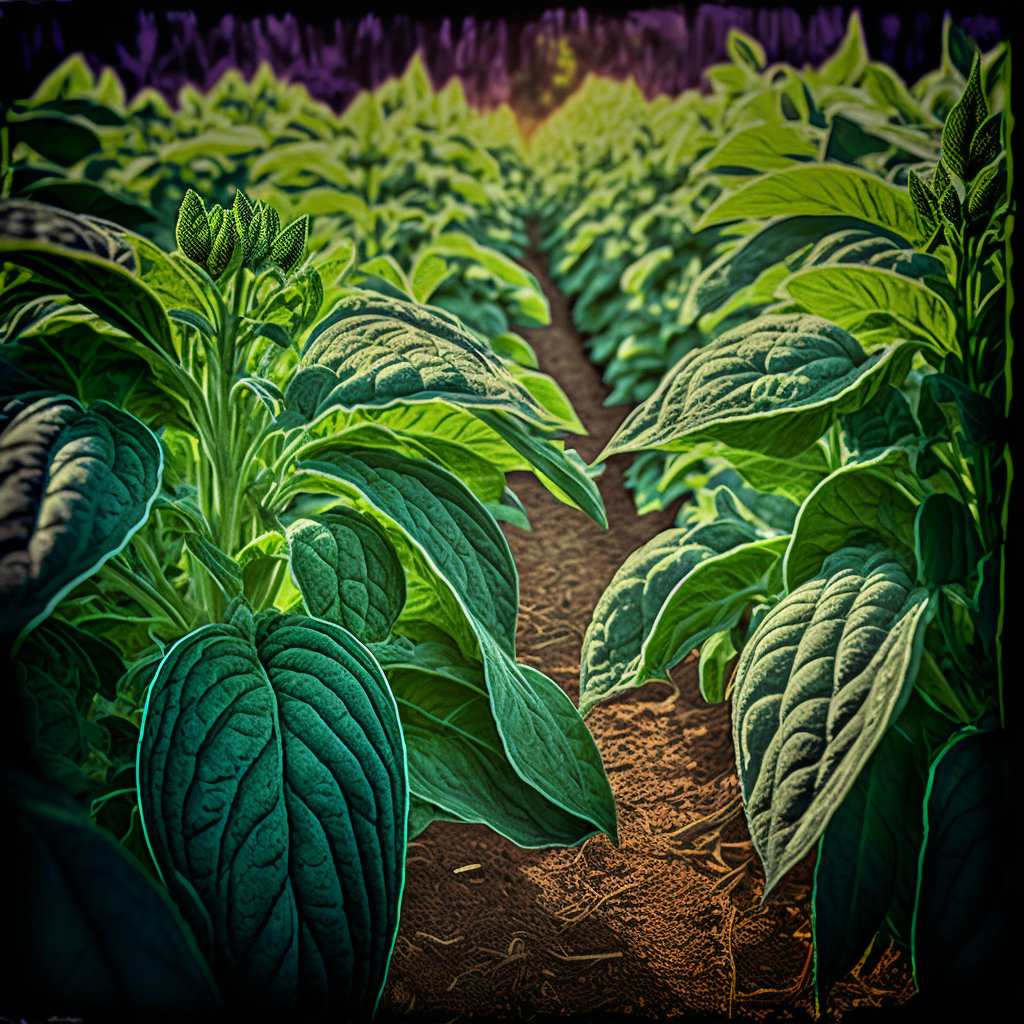
Comfrey has also been utilized in horticulture and agriculture for centuries as well. It is a dynamic accumulator, which means it can extract nutrients from deep in the soil and make them available to other plants. This makes comfrey a valuable addition to any garden, as it can improve soil health and provide nutrients to other plants. Additionally, it is known for attracting pollinators and wildlife, and it can help to reduce erosion and improve soil health.
In the 19th century, botanists and scientists began to study comfrey more in depth, identifying many of the compounds found in the plant. However, in the 20th century, scientists discovered that comfrey contains pyrrolizidine alkaloids (PAs), which have been linked to liver toxicity and lung cancer. As a result, the use of comfrey as a medicinal herb became controversial and many countries have placed restrictions on its use.
Despite the restrictions and concerns about its safety, comfrey remains a popular herb among gardeners, herbalists, and natural health enthusiasts. It is still used today as a natural remedy for a wide range of health issues, including wounds, joint pain, and skin conditions, as well as in horticulture and agriculture. However, it is important to note that comfrey contains PAs and should be used with caution and under the guidance of a healthcare professional or veterinarian.
Comfrey is also rich in minerals and vitamins, including allantoin (0.1-0.3%), mucilage (5-10%), tannins (5-10%), and pyrrolizidine alkaloids (0.01-0.08% in leaves, 0.01-0.07% in roots). It also contains vitamin A, vitamin C, vitamin K, and minerals such as calcium, magnesium, and potassium. It's worth noting that the concentration of these compounds can vary depending on the species of comfrey, the location where it is grown, and the method of analysis used. Therefore, it's always important to use comfrey with caution, under the guidance of a healthcare professional or veterinarian, and to follow the recommended dosages.
More Infomation you might like...




.jpg)