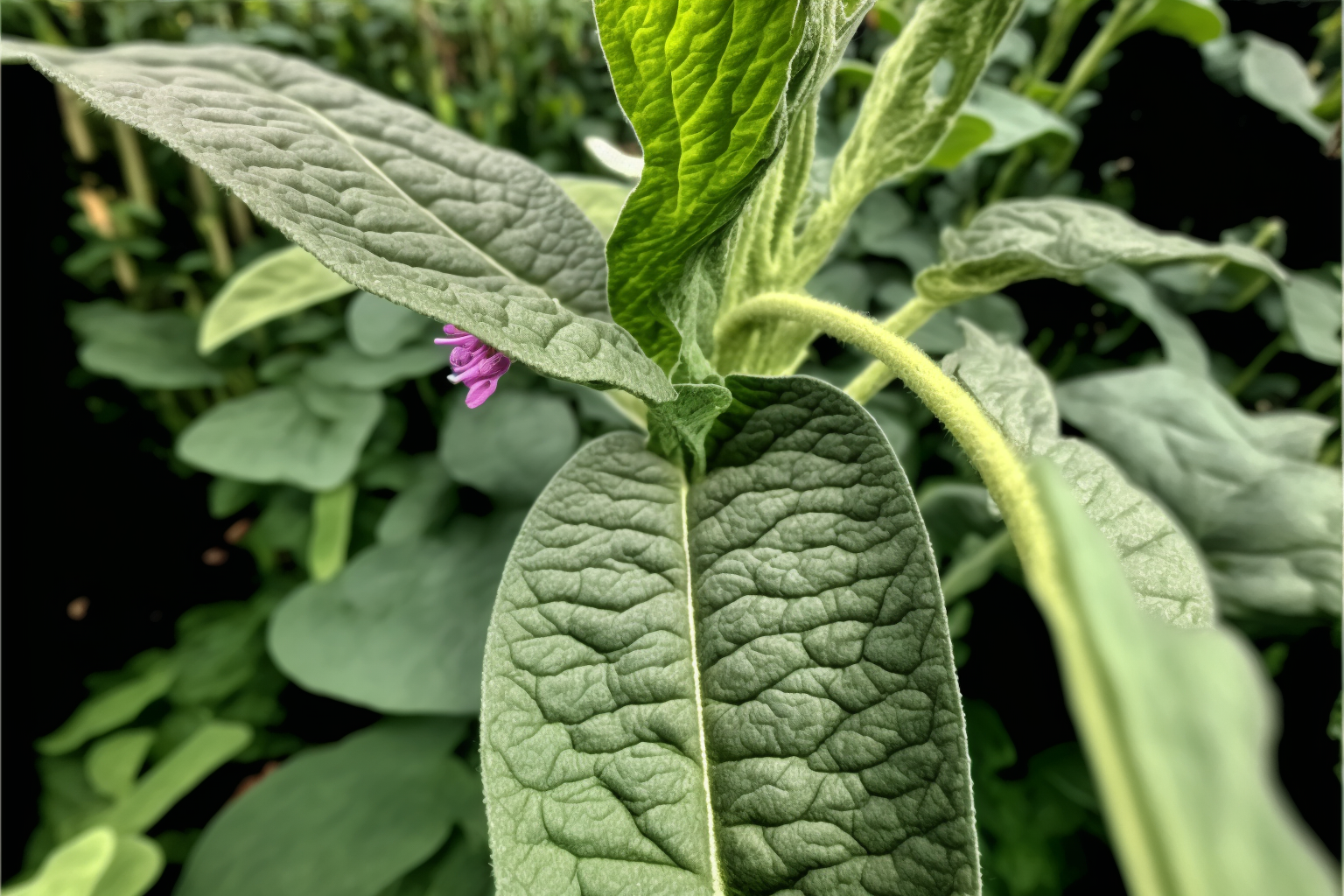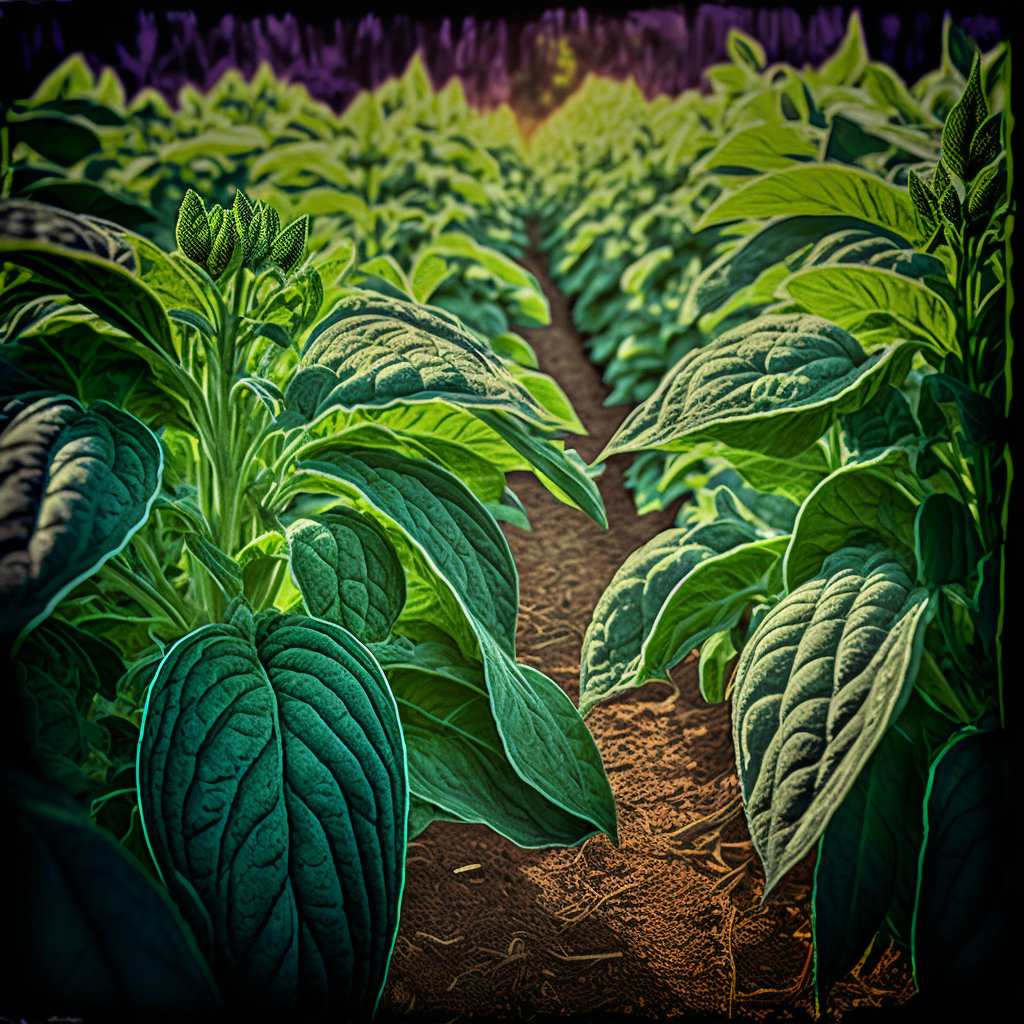

Comfrey, also known as Symphytum officinale, is a versatile plant with a wide range of uses that makes it a valuable addition to any garden, medicine cabinet, or farm. This perennial herb is native to Europe, Asia, and North Africa, and it has been used for centuries for its medicinal properties, as a fertilizer and animal feed, and even in horticulture.
Medicinally, comfrey has been used to treat a wide range of ailments such as respiratory conditions, digestive issues, and skin conditions. It contains compounds such as allantoin, mucilage, and tannins, which have anti-inflammatory, cell growth-promoting, and astringent properties respectively. Due to the presence of pyrrolizidine alkaloids (PAs) in comfrey, which have been linked to liver toxicity and lung cancer, it's important to use comfrey with caution and under the guidance of a healthcare professional or veterinarian.
In horticulture, comfrey is known to be a valuable addition to any garden due to its deep root system that makes it an excellent source of nitrogen and other minerals to improve soil health. The leaves of the comfrey plant can also be used to create a nutrient-rich liquid fertilizer, which can be used to boost plant growth. Additionally, comfrey leaves can be used as a mulch, providing a protective layer that helps to retain moisture and suppress weeds.
Farmers also use comfrey as an animal feed, it is rich in vitamins, minerals and protein, and it's known to promote healthy growth and development in livestock. Comfrey can be fed to cattle, sheep, pigs, and poultry, and it can be used as a green manure crop to improve soil fertility.
In conclusion, Comfrey is a versatile plant with a wide range of uses, from medicinal properties, to horticulture and animal feed. It's important to use comfrey with caution and under the guidance of a healthcare professional or veterinarian, but when used responsibly, comfrey can provide many benefits.



.jpg)