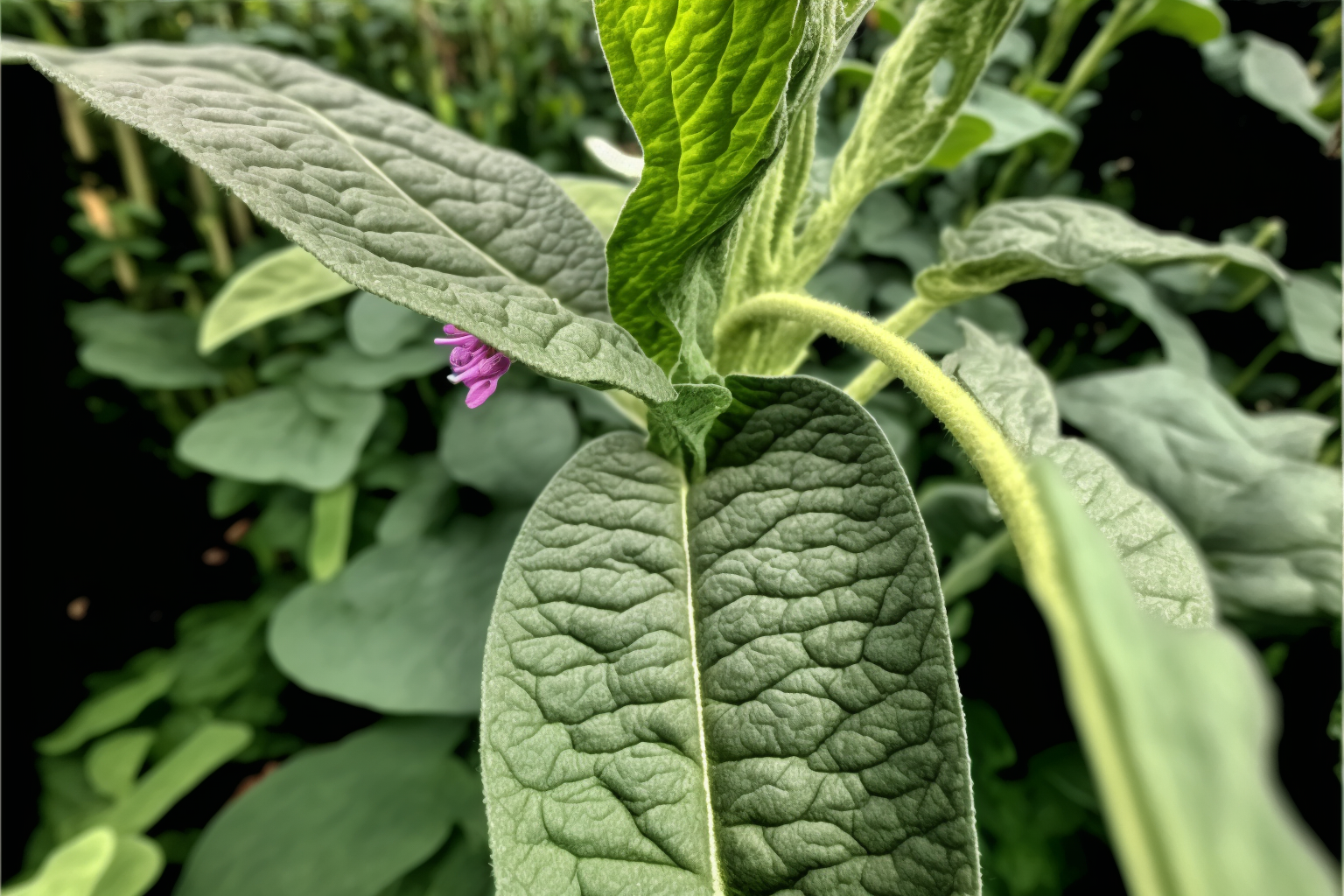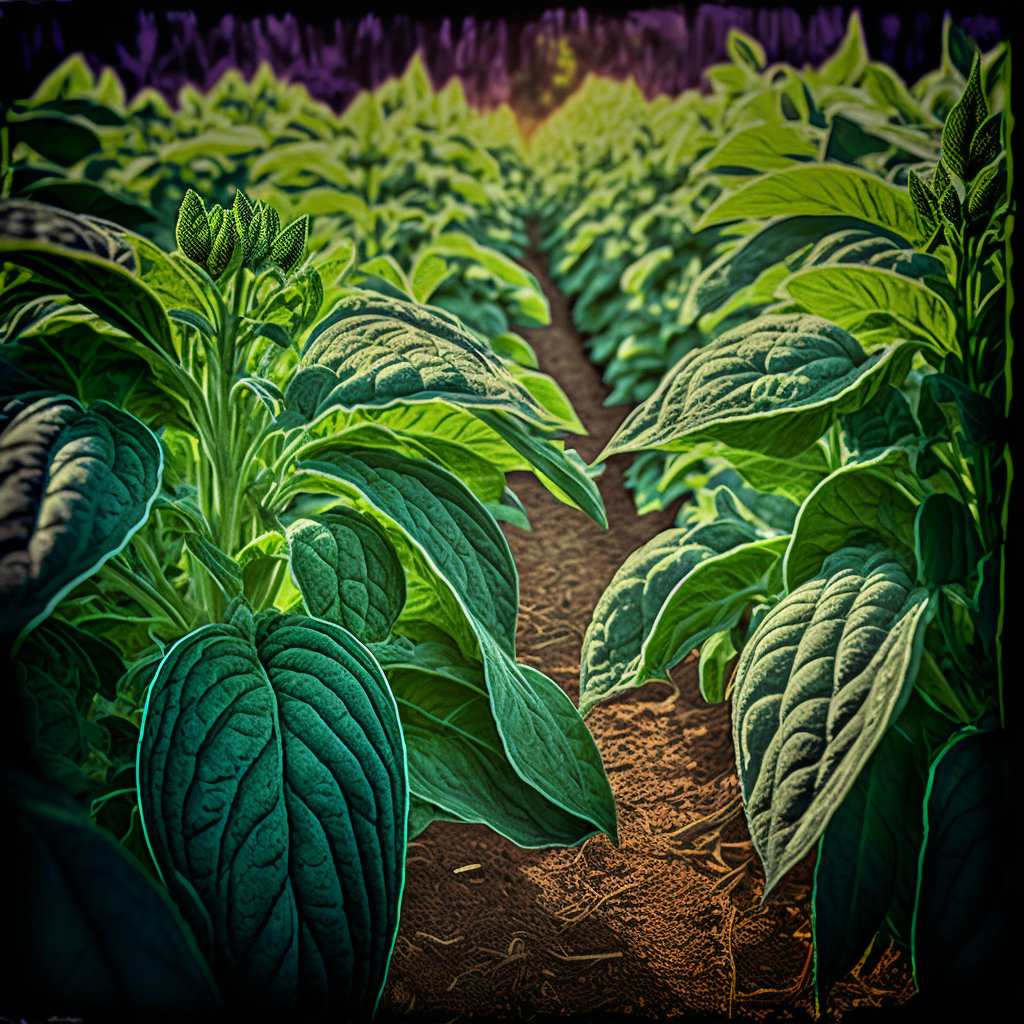

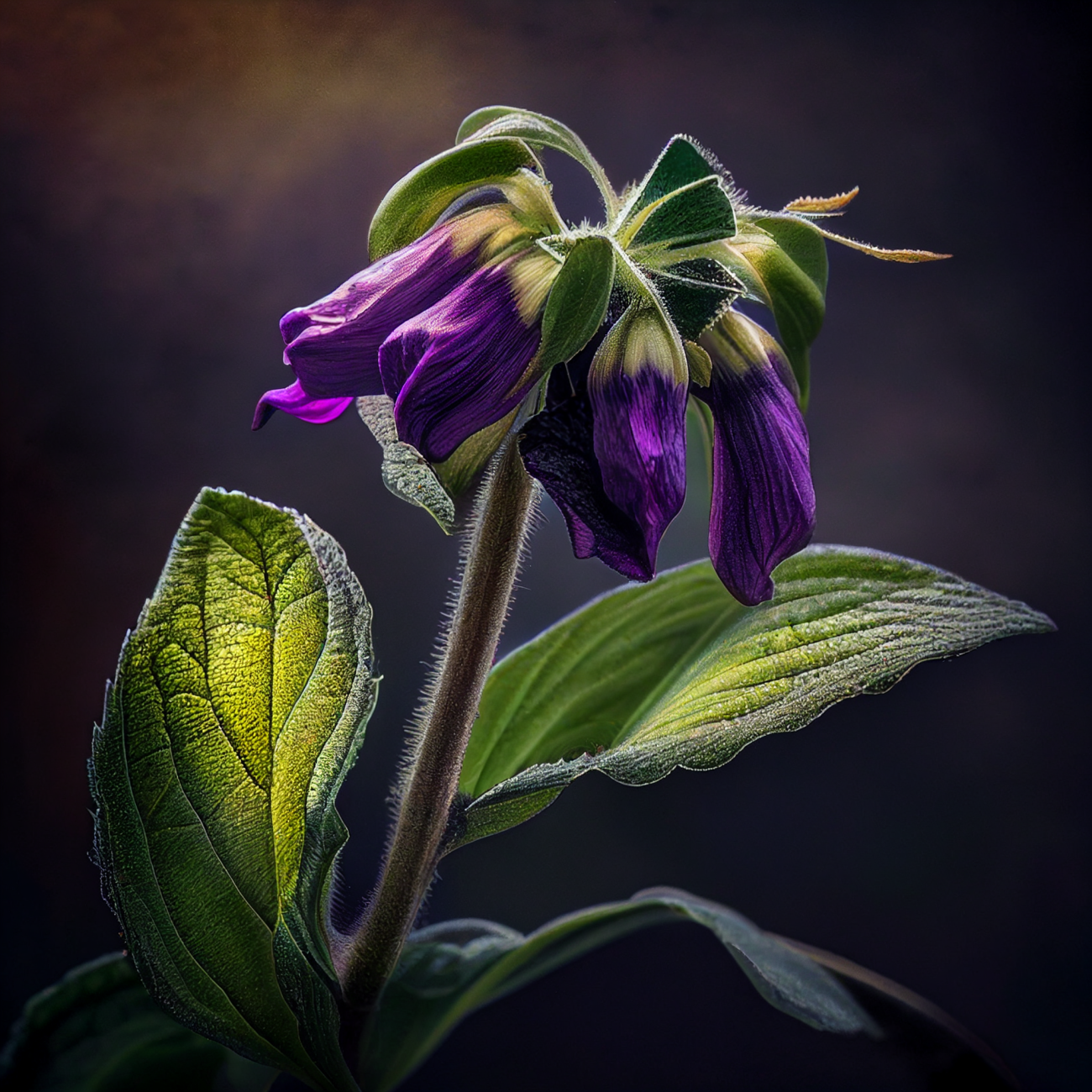
Comfrey, known scientifically as Symphytum officinale, is a perennial herb that has been used for centuries as a natural remedy for animals. This versatile plant is a powerhouse of medicinal compounds, including allantoin, mucilage, and tannins, that provide a wide range of therapeutic benefits.
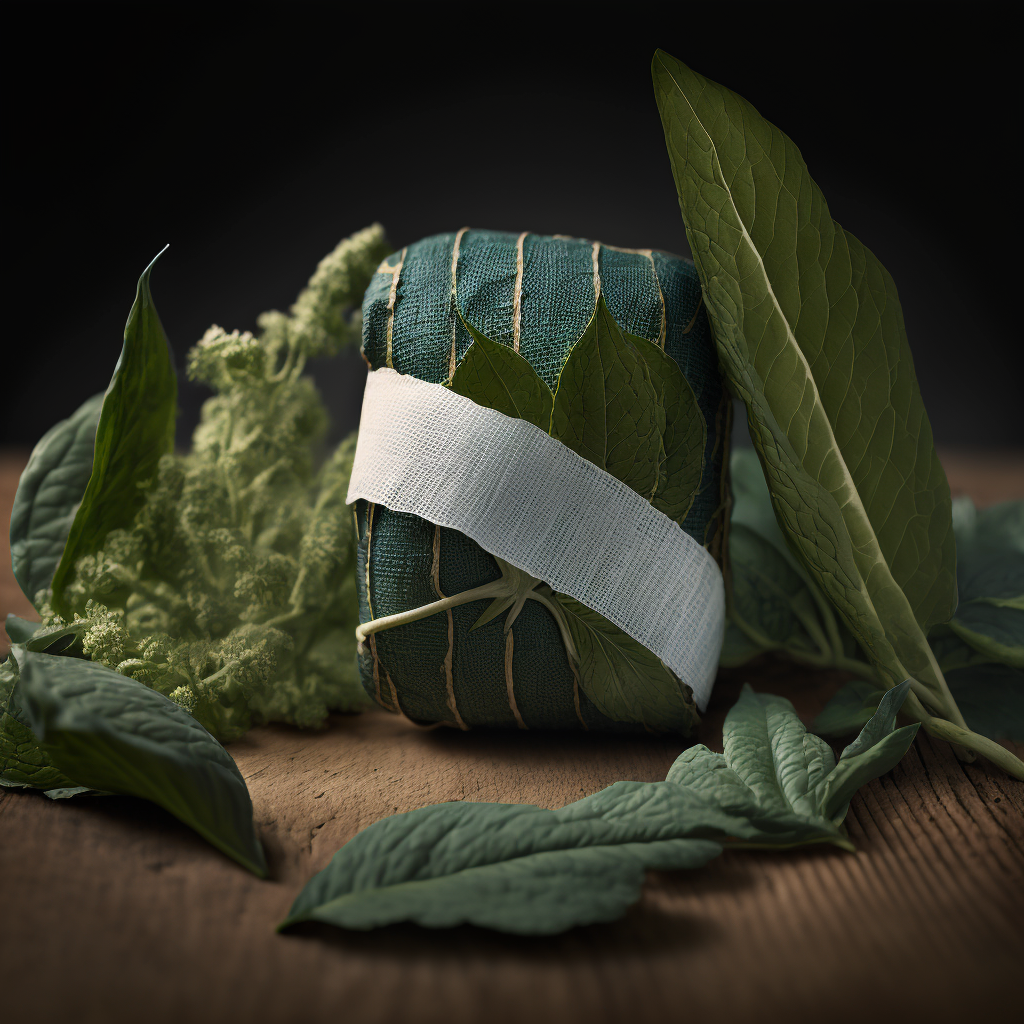
One of the most popular and well-known uses of comfrey for animal care is as a remedy for ligament and joint issues. The allantoin in comfrey promotes cell growth and repair, making it an effective treatment for sprains, strains, and other soft tissue injuries. This property can also help to reduce inflammation and pain in joints, making it a valuable natural remedy for animals with arthritis and other degenerative joint conditions.
Comfrey is also commonly used to treat skin conditions in animals, such as wounds, cuts, and burns. The tannins in comfrey have astringent properties that can stop bleeding, while the allantoin promotes cell growth, helping to repair damaged skin. This makes comfrey a powerful natural remedy for animals with eczema, dermatitis, and other skin conditions.
In addition to its medicinal properties, comfrey is also a valuable addition to animal feed. It is rich in vitamins, minerals, and protein, which promotes healthy growth and development in livestock. Comfrey can be fed to cattle, sheep, pigs, and poultry, and it can be used as a green manure crop to improve soil fertility.
Despite its many benefits, it's important to use comfrey with caution, and under the guidance of a veterinarian or a professional in animal care. Comfrey contains pyrrolizidine alkaloids (PAs), which have been linked to liver toxicity and lung cancer. Therefore, it's essential to use only the raw leaf and root, and to avoid internal use.
In conclusion, Comfrey is a versatile and captivating herb that has been used for centuries as a natural remedy for animals. Its medicinal compounds have a wide range of therapeutic benefits and it can be used to treat a variety of conditions. But it's important to use comfrey with caution and under the guidance of a veterinarian or a professional in animal care, and to only use the raw leaf and root, and avoid internal use.

.jpg)