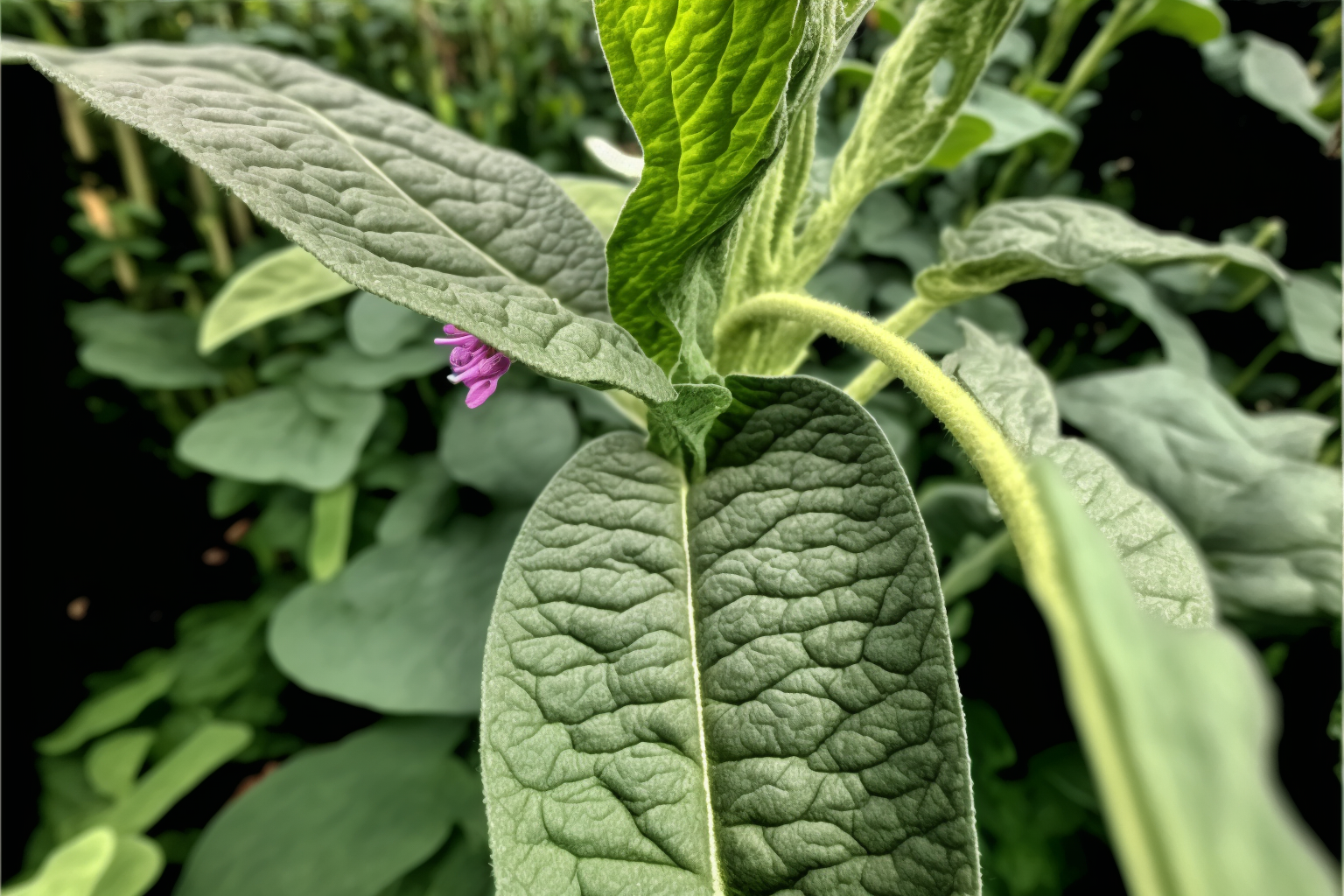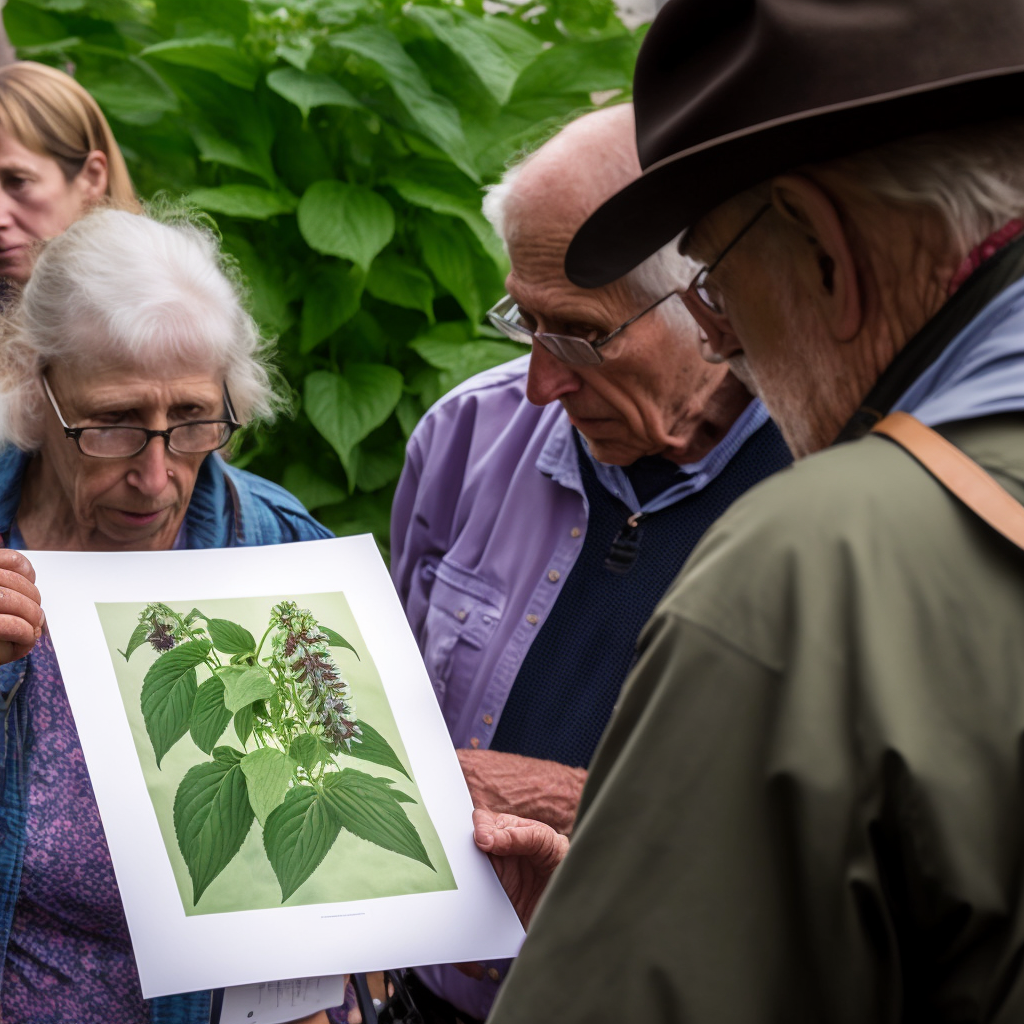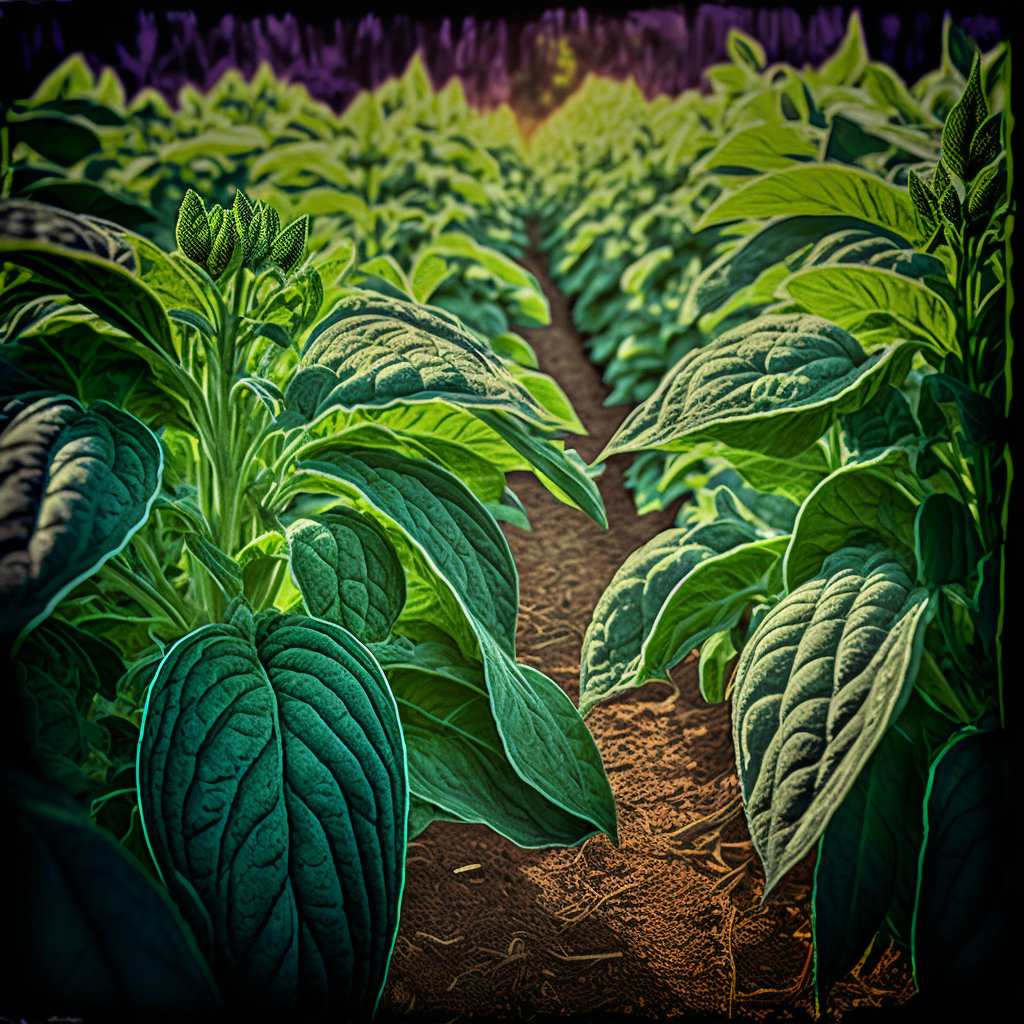
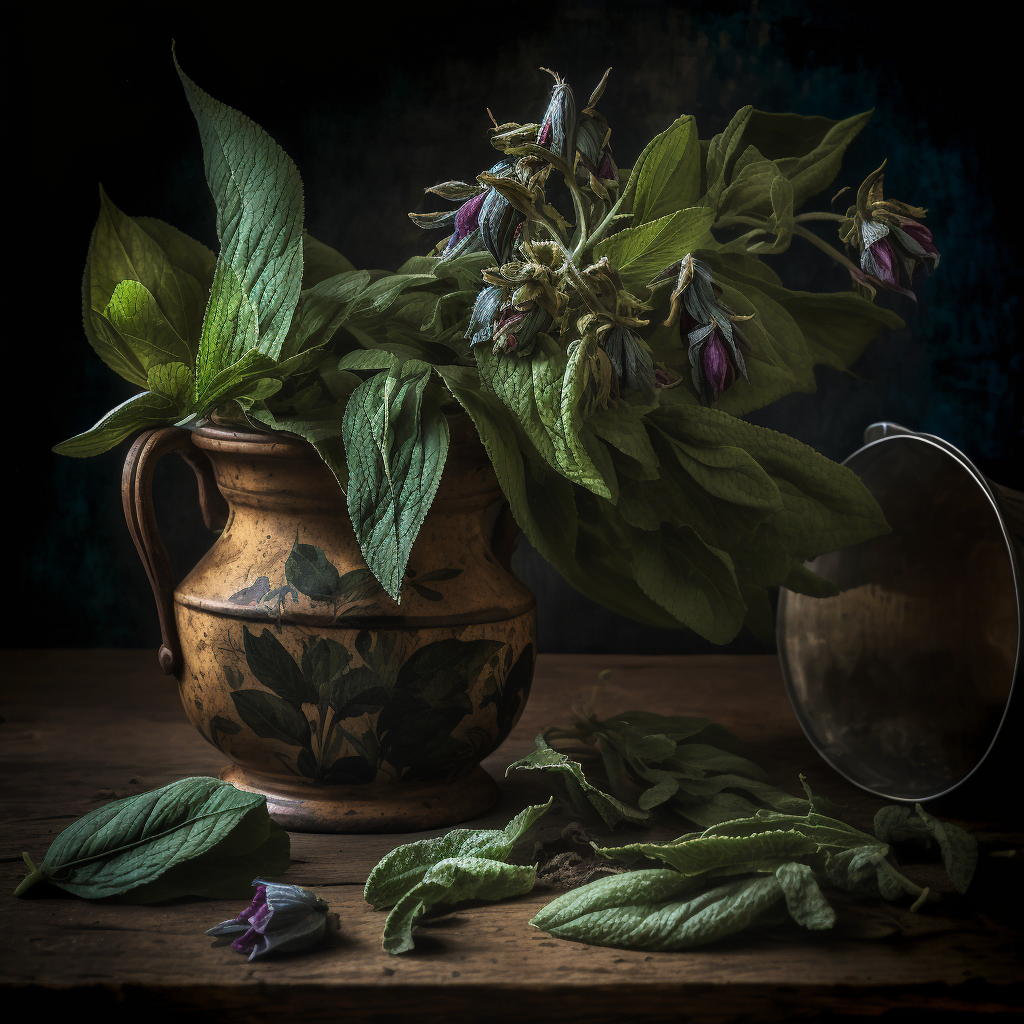
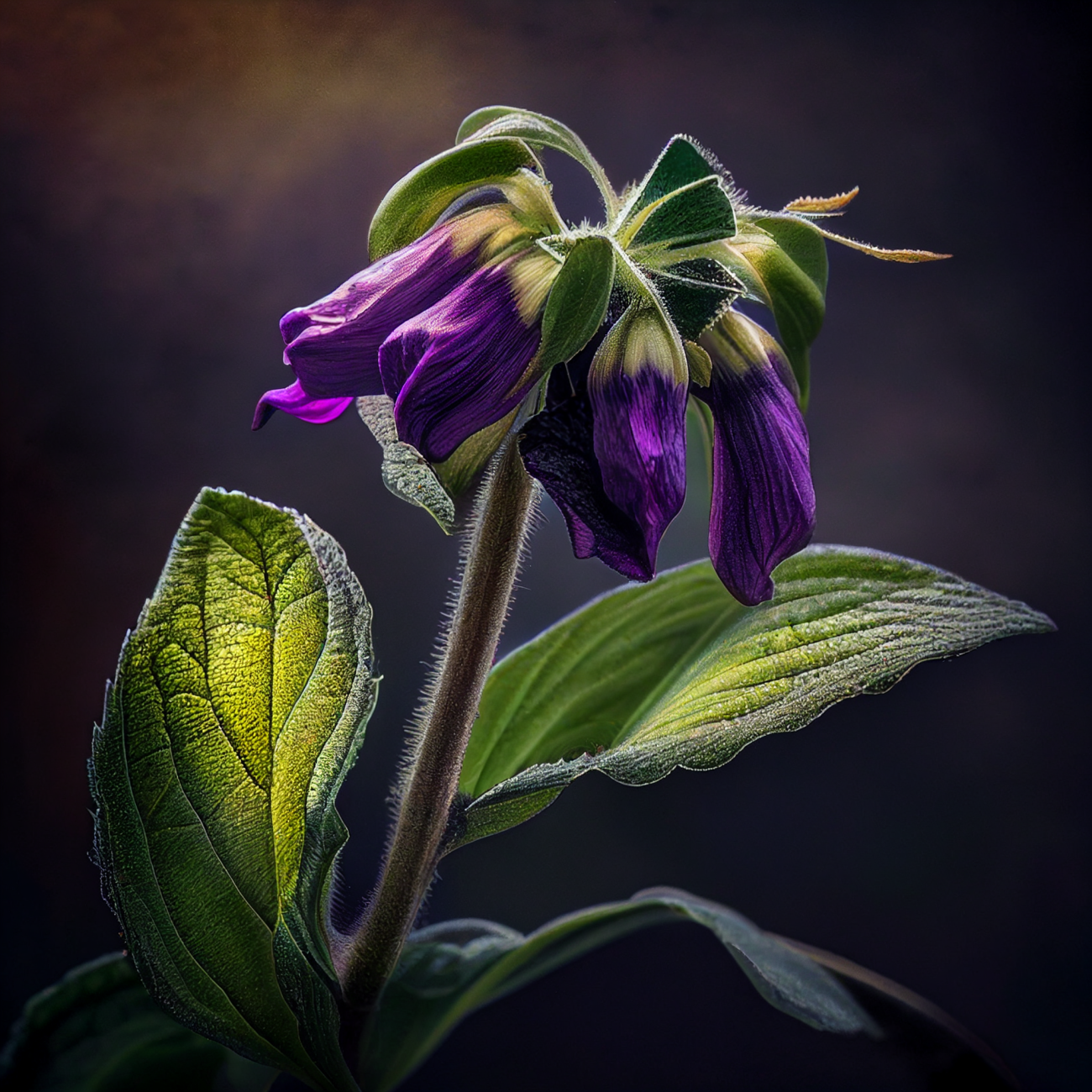
Comfrey, also known as Symphytum officinale, is a perennial herb that has been used for centuries for its medicinal properties. However, in recent years, comfrey has become a controversial herb due to concerns about its safety. So, what is the truth about comfrey and its potential risks?
It is important to note that comfrey contains pyrrolizidine alkaloids (PAs), which have been linked to liver toxicity and lung cancer. As a result, many countries have placed restrictions on its use. However, it is important to separate fact from fiction when it comes to comfrey.
First, it is important to understand that not all comfrey is created equal. The concentration of PAs can vary depending on the species of comfrey, the location where it is grown, and the method of analysis used. Additionally, the concentration of PAs can also vary depending on the part of the plant that is used, with the leaves generally containing lower levels of PAs compared to the roots.
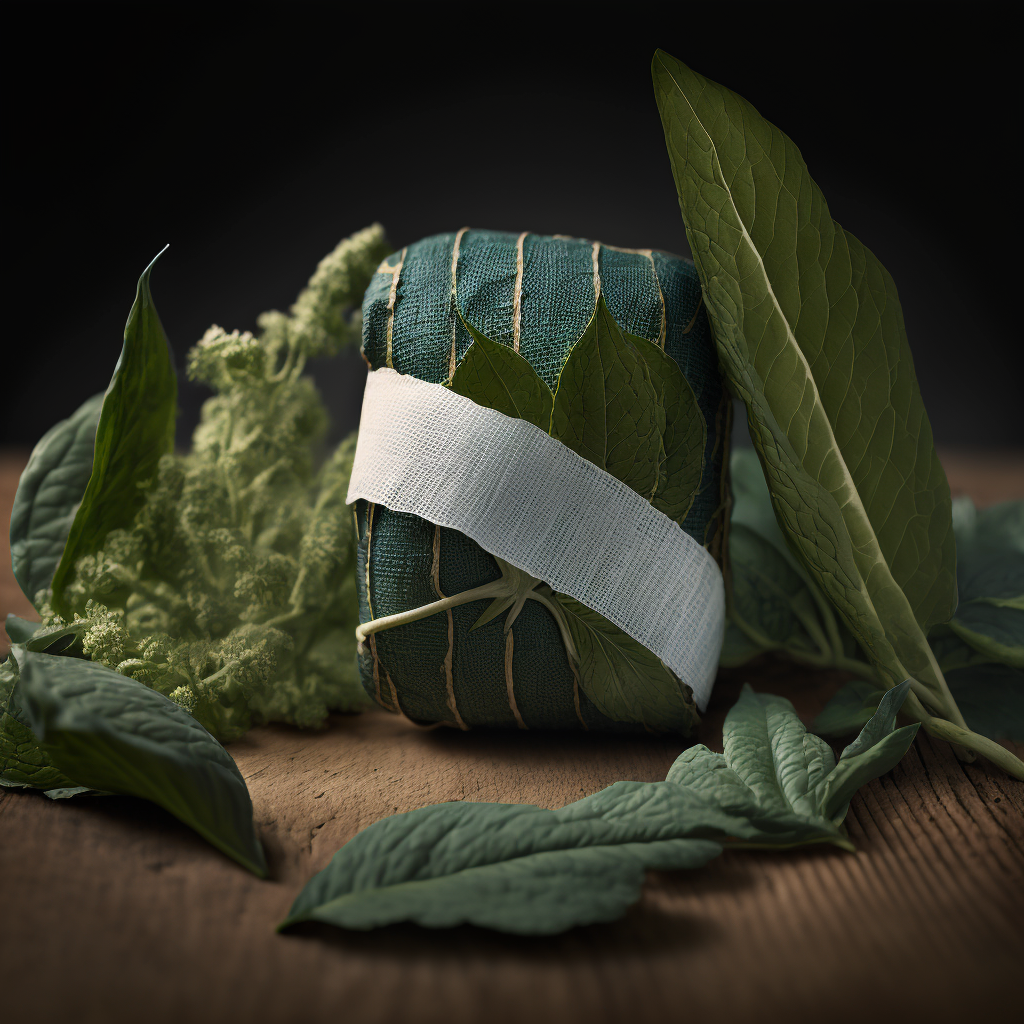
It is also important to note that comfrey has been used safely for centuries in traditional medicine and horticulture. The ancient Greeks and Romans used comfrey to heal broken bones and other wounds, and it has been utilized in horticulture and agriculture for centuries as well. Comfrey is also rich in minerals and vitamins, including allantoin, mucilage, tannins, and vitamin A, vitamin C, vitamin K, and minerals such as calcium, magnesium, and potassium.
While it is important to use comfrey with caution, under the guidance of a healthcare professional or veterinarian, it is also important to consider the potential benefits of this herb. Comfrey has a long history of safe use and has many medicinal properties that can be beneficial for various health issues.
In conclusion, while comfrey does contain PAs, it is important to use it with caution and under the guidance of a healthcare professional or veterinarian. Additionally, it is important to separate fact from fiction, and to consider the potential benefits of this herb, especially when it comes to its historical and traditional use.


.jpg)