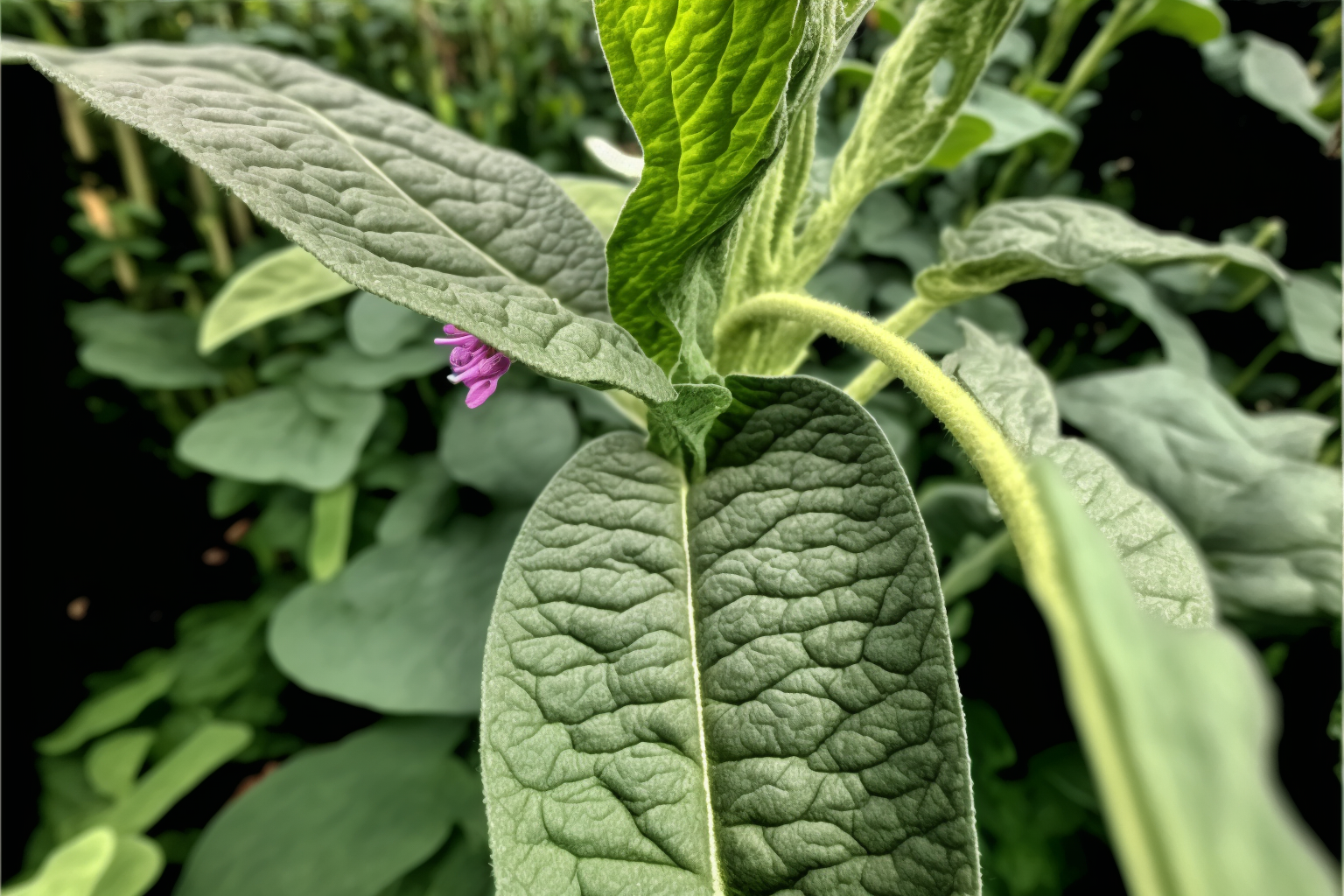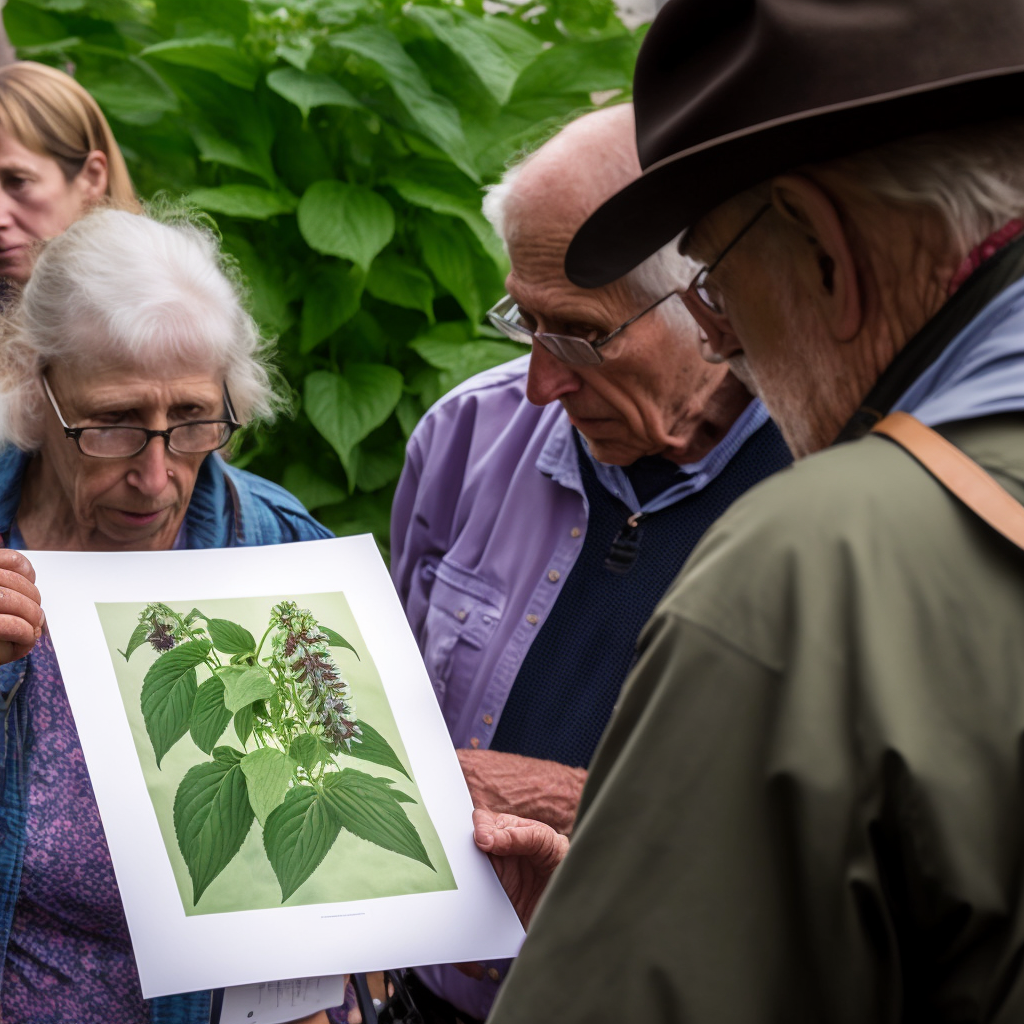
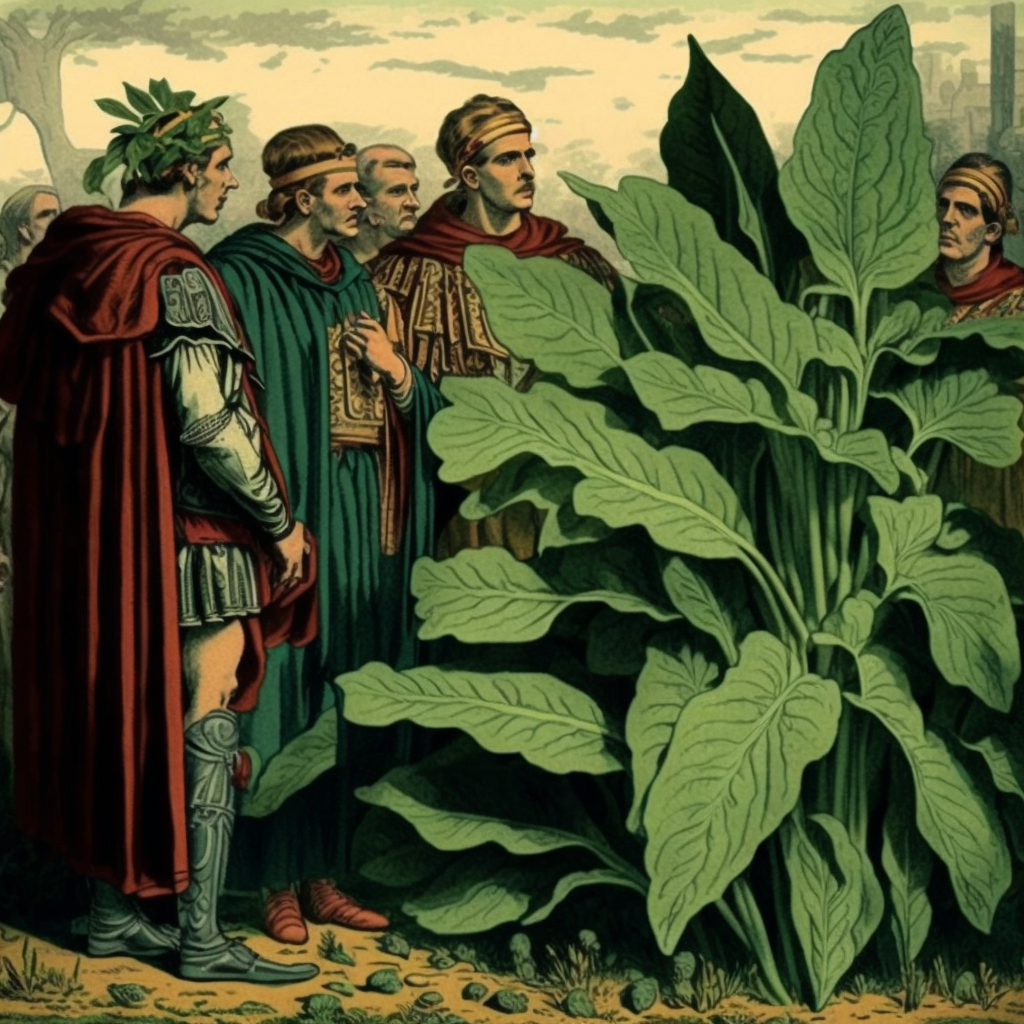
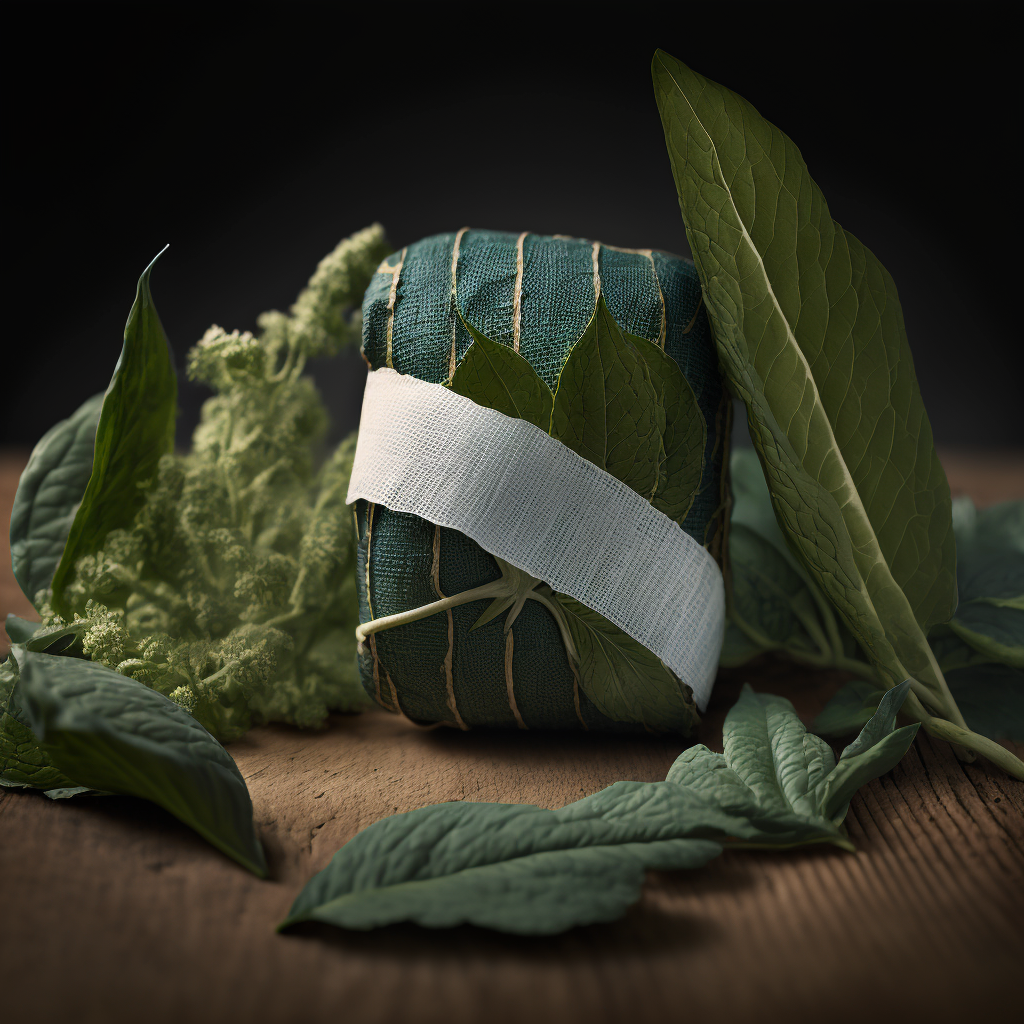
"Stepping back in time to the ancient world, one herb stood out among all others for its healing properties - comfrey. Known as Symphytum officinale, this perennial herb has been used for centuries to mend broken bones, soothe irritated skin, and alleviate pain.
But what is it about comfrey that made it such a valuable herb in the eyes of our ancestors? The answer lies in its unique composition of medicinal compounds. Allantoin, mucilage, and tannins are just a few of the compounds found in comfrey that provide its healing properties. Allantoin promotes cell growth, making it a powerful ally in the healing of wounds and burns. Mucilage, a gel-like substance, has anti-inflammatory properties that can help to reduce pain and soothe irritated skin. Tannins, with their astringent properties, can stop bleeding and promote healing of cuts and wounds.
Comfrey's medicinal properties were well-known in the Middle Ages and the herb was commonly used to treat a wide range of ailments such as respiratory conditions, digestive issues, and skin conditions. Even today, despite the controversies surrounding it, comfrey remains a popular herb among herbalists and natural health enthusiasts.
But a word of caution, comfrey contains pyrrolizidine alkaloids (PAs) which have been linked to liver toxicity and lung cancer, therefore it's important to use comfrey with caution and under the guidance of a healthcare professional or veterinarian.
So next time you come across comfrey, take a moment to appreciate this ancient healing herb. From mending broken bones in ancient Greece to soothing irritated skin in the Middle Ages, comfrey has stood the test of time and continues to be a valuable addition to any natural medicine cabinet."



.jpg)